

Many businesses lose time each day without noticing the real cause. Tasks repeat, and teams wait for updates that arrive late. This slows growth and creates stress for staff and owners. Operations optimization services help fix these gaps with clear systems. They support structured work and guide teams toward better output. Strong systems now drive how modern firms stay steady in busy markets.
In one retail case, a store fixed slow order handling with simple steps. Staff followed a clear task flow, and errors dropped fast. This shows how operations optimization services improve business efficiency in real use. Companies gain value through better output and less waste. This is why businesses need operations optimization services in growing markets today.
Understanding Business Operations Optimization

Business operations optimization means fixing how daily work moves across a company. It focuses on clear steps and better use of time and effort. Teams follow simple systems that reduce confusion and delays. Business operations optimization helps improve task flow and supports better results. It shows how workflow changes can improve team productivity in real situations.
In one small service firm, staff faced slow client updates each week. They used simple process improvement services to map tasks and assign roles. Work became clear, and delays dropped within days. This link between structured work and growth is strong. It explains the benefits of operations optimization for companies that want steady scale.
Core Value of Operational Efficiency Services
Many teams struggle with uneven work across different departments each day. Tasks may follow different steps, which creates confusion and slow results. Operational efficiency services help set clear and repeatable methods for every task. This builds steady output and avoids missed steps. In one logistics firm, drivers followed new task guides and delivery errors dropped fast with legal tech innovation.
Delays often come from unclear roles and poor task tracking in daily work. Teams may wait for updates or repeat work due to missing data. Process improvement services help map each step and assign clear responsibility. In a support team case, response time improved after task tracking became visible. This shows how workflow changes can improve team productivity and result quality.
Workflow Optimization Services Explained
Daily workflows shape how a business performs over time. Each step in a task affects speed and output quality. Many teams struggle with delays due to unclear task flow. Workflow optimization services help organize steps and remove confusion. This improves how work moves across teams.
A small service company faced missed deadlines due to manual tracking. Tasks were not assigned clearly, and updates were slow. After improving business operations optimization with simple tools and defined steps, the task flow became smooth. Work finished faster, and client satisfaction increased.

Role of Process Improvement Services in Growth
Growth often slows when hidden gaps are ignored in daily work. Teams repeat tasks and waste time without clear systems. Process improvement services help map each step and reveal delays. A logistics firm once tracked orders on sheets and emails. Orders got missed, and clients complained. After redesigning steps with simple tools, the team reduced errors and delivered faster with tech architecture impact.
As demand rises, unstructured systems start to break under pressure. Clear methods help teams handle more work without stress. Operational efficiency services focus on stable flows and defined roles. A retail brand moved from ad hoc handling to a simple order system. Staff managed higher volume with the same team size, and revenue grew steadily.
Why Businesses Need Operations Optimization Services
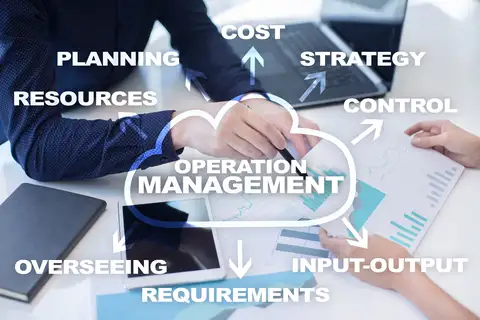
Modern businesses deal with more tasks than before each day. Systems grow fast, and teams handle many tools at once. This creates confusion and slows progress over time. Business operations optimization helps bring control with clear steps and a simple structure. It explains why businesses need operations optimization services in fast-moving markets today.
In one small warehouse, team orders were delayed due to mixed systems. Staff used different steps and lost track of updates. After simple changes, work became smooth, and delays were reduced quickly. This shows how waste can drop with better systems. Companies now need faster and cleaner processes to stay competitive and meet demand.
How Operations Optimization Improves Business Efficiency
Many teams feel slow when the work has too many steps. Tasks move back and forth and waste time. Clear systems fix this issue and guide better flow. Operational efficiency services help teams act faster and stay on track. This shows how operations optimization services improve business efficiency in daily work with consulting market growth.
- Remove extra steps that slow down the task flow
- Set clear roles, so teams avoid confusion
- Use simple systems to track work in real time
- Improve response time with faster decision steps
- Reduce repeat work through better task planning
- Keep teams aligned with shared process rules
Key Benefits of Operations Optimization for Companies
Improving workflows helps reduce waste and improve output. The benefits of operations optimization for companies become clear when processes are organized and tracked. Better business operations optimization leads to smoother work and stronger results.
Lower operational costs through improved efficiency
A service company reduced manual tasks by automating order tracking. This cut extra labor time and lowered daily costs. Clear workflows remove waste and reduce repeated work, which helps save money over time.

Better use of human and technical resources
One team had staff doing duplicate tasks due to poor coordination. After aligning roles and tools, work became balanced. Employees focused on key tasks, and systems handled routine steps. This improved output without hiring more staff.
Increased profitability and customer satisfaction
A retail brand improved delivery timelines after fixing process gaps. Orders reached customers on time, and complaints were reduced. Happy customers returned, and sales increased. Efficient systems support both profit growth and better customer experience.
How Workflow Optimization Improves Team Productivity
Teams often struggle when tasks are not clearly assigned each day. Work may overlap and create delays across departments. Workflow optimization services help define roles and guide task flow with simple steps. This shows how workflow optimization improves team productivity in real settings. Teams move faster when each person knows what to handle and when with consulting builds advantage.
In one small agency project, tasks were shared without clear ownership rules. Team members repeated work and missed deadlines often. After setting clear task paths and updates, work became smooth and fast. This change reduced confusion and improved output. It reflects the benefits of operations optimization for companies that need better teamwork and speed.
Technology in Operational Efficiency Services

Modern teams rely on tools that handle repeat tasks with ease. This reduces manual effort and saves time each day. Operational efficiency services use simple automation to support daily work. In one online store, order updates were automated, and staff saved many hours weekly. This shows how workflow optimization improves team productivity through better system support.
Digital tools help track work and show real-time progress for teams. Managers see delays early and take quick action when needed. Workflow optimization services also use data to guide better choices. In a support team case, reports showed slow areas, and fixes improved speed. This proves that data helps improve output and daily decision-making.
Step-by-Step Implementation of Operations Optimization
Operations optimization services guide this process with simple methods that teams can follow daily. These steps help reduce waste and improve output. They also show how operations optimization services improve business efficiency in real-world settings.
Step 1: Evaluate current business processes
Start by reviewing how tasks move across your team each day. Look at how work begins and where it slows down. In one service company, this review showed delays in client updates. This helped them understand where changes were needed first with consulting drives growth.
Step 2: Identify inefficiencies and gaps
After review, focus on weak areas that cause delays or repeat work. Teams often miss small gaps that create bigger issues later. Process improvement services help find these points clearly. In one case, a team found duplicate tasks and removed them fast.
Step 3: Apply optimized systems and track improvements
Now apply simple systems that guide tasks in a clear order. Set tracking so progress stays visible for everyone. In a retail case, order handling improved after tracking was added. This step helps teams measure results and adjust quickly.
Step 4: Continuously refine workflows
Work does not stay the same, so systems need regular updates. Teams should review progress and adjust steps when needed. Small changes keep work smooth and efficient. This ongoing effort supports better results and long-term growth.
Future of Operations Optimization Services
Businesses now move toward smarter systems that learn from daily work. AI tools help teams predict issues before they grow into delays. Operations optimization services support this shift by adding smart tracking and simple automation. This shows how operations optimization services improve business efficiency as systems become more responsive and adaptive in real work with Triality.
In one delivery company, data tools predicted busy hours and adjusted staff plans. This reduced wait time and improved service speed. Such changes reflect the future of business operations optimization in modern industries. Teams will rely more on automated workflows and predictive data. This helps reduce waste and keeps work fast and well-organized.
FAQS
They are methods that improve how daily work flows across teams. Operations optimization services focus on clear steps and better use of time. In one office case, tasks became simple, and delays were reduced after process changes.
These strategies remove confusion and guide teams with clear systems. Business operations optimization helps staff complete work faster with fewer errors. A sales team improved response time after using structured task steps.
Companies face high demand and need faster systems to keep up. Operational efficiency services help reduce waste and improve output. This explains why businesses need operations optimization services in modern markets.
Clear task flow helps teams avoid overlap and missed work. Workflow optimization services guide each step so work moves smoothly. This shows how workflow optimization improves team productivity in daily operations.
These services fix weak steps and create better work methods. Process improvement services help teams reduce errors and save time. This reflects the benefits of operations optimization for companies that want steady growth.