

Missed deadlines and daily confusion can drain team energy fast. Work piles up, yet progress feels slow. The real issue is often weak structure, not weak effort. Effective process management creates clarity in roles and steps. It guides tasks in the right order. Teams gain focus and direction. This builds stronger team workflow management across projects.
Now let’s see what changes when the structure improves. Clear systems reduce delays and cut repeated work. Many experts support productivity improvement strategies built on strong technology solutions guide. With smart process optimization, teams work flows smoother. Collaboration feels natural. Results become steady, and goals feel more achievable.
Why Effective Process Management Is Key to Boosting Team Productivity

Teams slow down when steps are unclear. Tasks overlap, and effort gets wasted. Effective process management creates clear workflow paths for everyone. Each member knows the next action. This supports strong productivity improvement strategies. Work moves with purpose and fewer delays. You might notice better operational efficiency in teams.
Bottlenecks often block progress. One delay can affect the whole group. Making legacy archives helps teams streamline information retrieval and reduce repeat steps and manual errors. Clear digital systems prevent tasks from piling up. Teams stay focused on productive work instead of fixing issues, strengthening performance management and keeping momentum steady.
Why do some teams struggle with productivity?
Many teams struggle due to unclear roles and missing steps. Tasks overlap, and priorities shift. This confusion reduces focus and slows overall output and results.
How can process management improve team collaboration
Clear processes define tasks and timelines for everyone. Team members know when to act and update others. This builds trust and reduces conflict during projects.
What impact does process optimization have on deadlines
Process optimization removes bottlenecks and repetitive tasks. Workflows move smoothly from start to finish. Teams complete projects faster and meet deadlines with fewer last-minute issues.
How Process Management Streamlines Team Operations
Teams often waste time on repeated steps and unclear methods. Work gets done, but not always the same way. Effective process management solves this by setting clear standards. When tasks follow one path, team workflow management becomes smoother. This supports strong process optimization for teams and reduces avoidable errors.
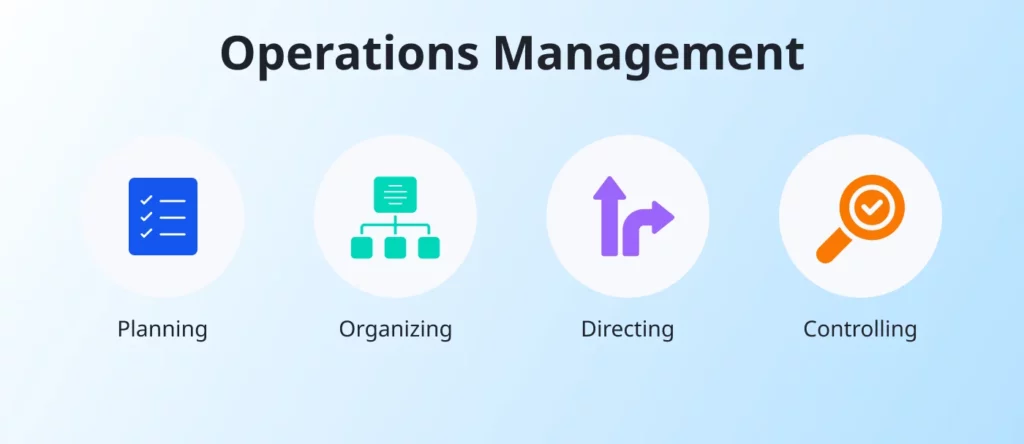
Manual tasks can drain focus and energy. Process automation in teams removes repeat actions from daily work. Tools handle updates and tracking in the background. This allows members to focus on priority goals. Many productivity tools for teams support faster output without adding pressure.
Teams also perform better when work is linked to clear goals. Structured processes supported by legal system upgrade align tasks with overall business direction. Every action contributes to a larger purpose, reducing wasted effort and improving productivity. Clear system enhancement turns daily activity into measurable and meaningful progress.
Areas That Can Improve Through Effective Process Management
Many teams try to work harder. The real gain comes from working smarter. Effective process management shows where change can lift results. When teams review daily steps, they uncover gaps that limit operational efficiency in teams. Clear process review turns hidden problems into clear action points.
Workflow Clarity
Unclear steps slow progress. Tasks move back and forth without direction. Better team workflow management improves process optimization for teams. Defined stages reduce confusion. Work flows in order, and delays drop.
Communication Structure
Messages spread across many tools create noise. Important details get lost. Clear update rules and shared systems improve team performance management. Teams stay aligned and avoid repeat discussions.
Task Ownership
When no one owns a task, it often stalls. A clear role definition builds accountability. Each member knows their duty and timeline. This supports steady output and reduces friction.
Resource Balance
Some members feel overloaded while others wait. Process review reveals uneven work levels. Adjusting task flow protects quality and reduces burnout.
Automation Opportunities
Manual data entry and repeat updates waste time. Process automation in teams removes low-value steps. Teams focus on high-impact tasks instead of routine work.
Training and Onboarding
New hires may struggle with unclear systems. Process improvement highlights training gaps. Clear guides and simple workflows help new members become productive faster.
Key Benefits of Effective Process Management for Team Productivity
Teams perform best when work feels clear and steady. Confusion and rush create stress and mistakes. Effective process management builds a structure that supports focus and balance. You might notice smoother days and stronger results when systems guide daily tasks.
Here are the core benefits for teams
- Better time control through efficient project management
- Strong collaborative team productivity with clear shared steps
- Higher output quality is supported by team performance management
- Smarter task tracking using productivity tools for teams
How to Implement Effective Process Management in Your Team
Strong systems do not appear by chance. They grow through clear and steady action. An effective process works best when teams follow simple and defined steps.
Identify Inefficiencies
Start by finding where work slows down. Look for delays and repeated errors. These issues block process optimization for teams. Review daily tasks and note weak points. Effective process management begins with clear insight into what needs to change.
Define Roles and Responsibilities
Assign clear ownership for every task. Each person should know their duty and timeline. Strong team workflow management reduces confusion. Accountability keeps projects moving without constant reminders.
Leverage Technology
Use productivity tools for teams to track progress. Automation removes manual updates and saves time. This improves operational efficiency in teams and keeps workflows steady.
Establish Continuous Improvement
Review processes on a regular basis. Ask what worked and what failed. Small changes protect gains. Ongoing review keeps systems aligned with growth goals.
Why Process Automation Is a Game Changer for Team Productivity

Manual tasks consume time and energy each day. Teams often spend hours on updates and data entry. Effective process management supports smart process automation in teams to remove these burdens. Automation handles repeat steps in the background. Members focus on creative and strategic work that adds real value.
Human error can slow projects and damage trust. Automation reduces mistakes by following set rules. This improves team performance management and builds steady quality. Work becomes more accurate and consistent across tasks.
When teams spend less time on manual work, they increase output. Projects move faster from start to finish. Strong operational efficiency supports larger goals through future legal work. Automation strengthens productivity improvement strategies and supports long-term, forward-looking growth.
The Role of Technology in Optimizing Team Processes
Modern teams rely on digital systems to stay aligned and focused. Project platforms like Trello, Asana, or Monday help assign tasks and track progress in real time. This strengthens team workflow management and supports technology-driven productivity. Effective process management becomes easier when everyone sees clear timelines and ownership. Work moves forward without confusion or repeated follow-ups. Teams gain clarity and reduce delays across daily projects, with a simple structure.
Communication tools such as Slack or Microsoft Teams keep updates visible and quick. They reduce long email chains and missed details. Many firms also use analytics dashboards to review results and refine steps. Data insight supports process automation in teams and smarter choices. Clear reports show what works and what fails. Teams adjust fast and protect steady growth. This boosts productivity tools for teams and daily performance across all functions.
Conclusion
Teams perform better when a structure guides daily work. Effective process management helps remove confusion and delay. Clear steps support process optimization for teams and improve team workflow management. Automation reduces repetitive tasks and errors. Strong team performance management keeps goals visible. This builds steady operational efficiency in teams and stronger results.
Now is the time to review your current process. Small changes can unlock real gains. Start with one workflow and refine it. Train your team and track progress with Triality. With steady effort, you will see clear growth in speed, quality, and output.
FAQs
Clear steps reduce confusion and missed updates. When roles and deadlines are defined, team members know when to act. Effective process management builds trust and structure. This supports process optimization for teams and strengthens daily collaboration across projects.
Track simple indicators like task time and error rates. Review feedback from team members. Strong team performance management shows whether goals are met. These checks improve operational efficiency in teams and guide smarter productivity improvement strategies.
Yes, small teams benefit greatly from structured workflows. Clear processes reduce overlap and save time. Even a few members can gain focus and steady results. Strong systems help teams meet deadlines with greater consistency and control.